Jaw Botox Didn't Change Your Face? It May Be the Salivary Gland, Not the Muscle — Ultrasound ViewTox
Treatment Guide
If jaw Botox hasn't changed your face, the cause may be the salivary gland rather than the muscle. Mason Clinic, near Exit 7 of Sinnonhyeon Station in Seoul, explains why we check the muscle and the glands with ultrasound before injecting, and what we look at in consultation.
Hello. I'm Dr. Kim Hyun-joo, lead physician at Mason Clinic.
“Doctor, I've had jaw Botox several times, but my face looks the same.”
I hear this in the consultation room more often than you might expect. Some people tried a higher dose. Some shortened the interval between sessions. And yet the side of the jaw still looks full. Others tell me the jawline hasn't changed, but the cheeks now look hollow.
When I hear this, I don't start by raising the dose. There is something to check first. Is the width really coming from the muscle? Or is it coming from the salivary gland sitting right next to it? From the outside the two look alike. They are not the same thing at all.
So before any injection, I look with ultrasound first. At Mason Clinic we call this approach Ultrasound ViewTox.
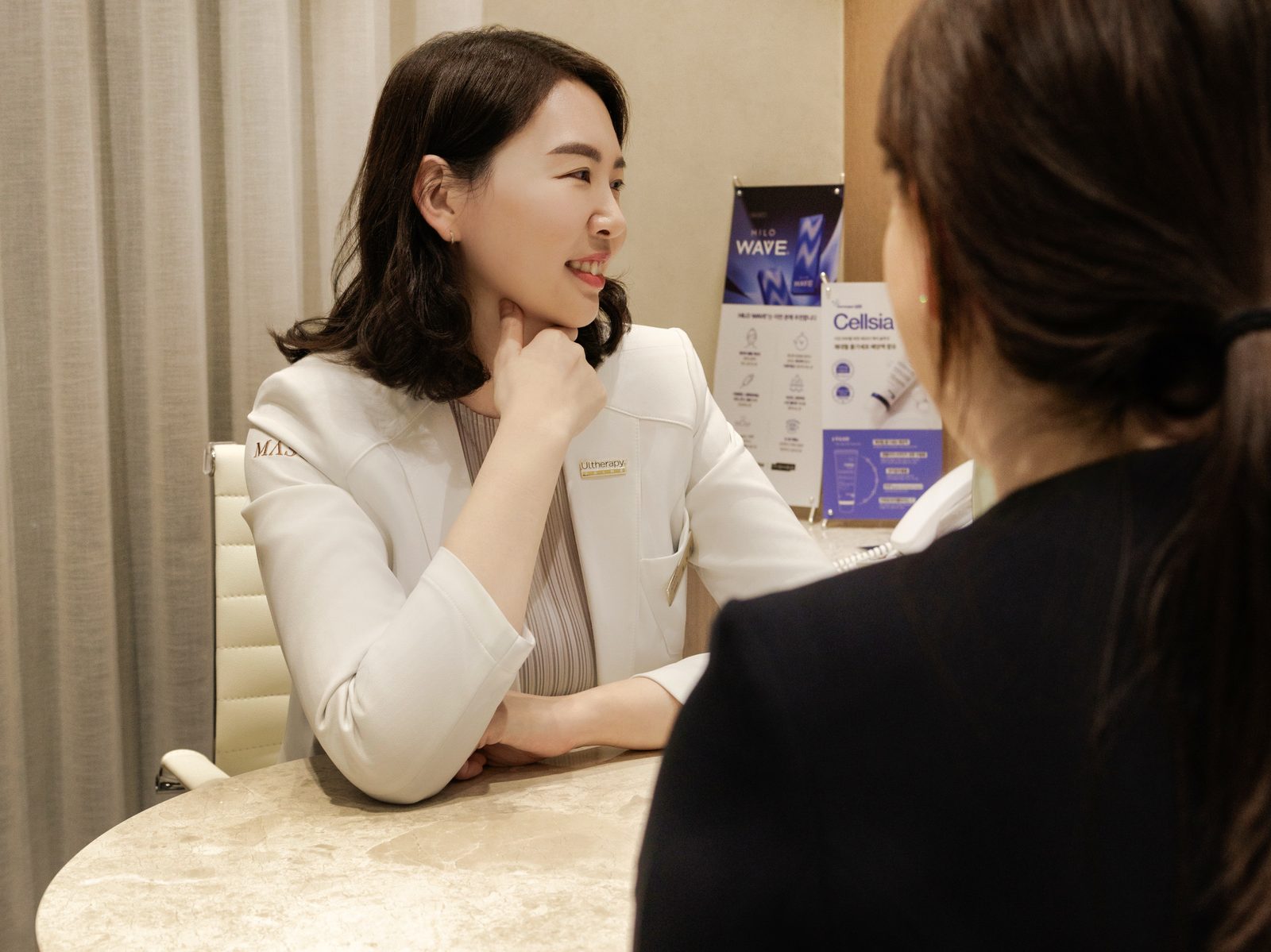
Ultrasound ViewTox: the key point today
Ultrasound ViewTox is a botulinum toxin treatment in which the muscle and the salivary glands are located on an ultrasound image before the injection is placed. The product itself is not special. What changes is the order. Instead of relying on touch alone, I confirm the layers on the screen, then place only what is needed, only where it is needed.
That said, looking with ultrasound does not solve every square-jaw concern. When the width comes mainly from the bone or from fat, something other than botulinum toxin may need to come first.
There is more than one reason the lower face looks wide
- The first is the muscle type. When you clench your back teeth, the side of the jaw pushes out and feels firm. This is a well-developed masseter, the chewing muscle.
- The second is the salivary gland type. Even without clenching, the area from below the ear to the side of the jaw looks soft and full. This is an enlarged parotid gland. If the fullness sits under the jaw, I also look at the submandibular gland.
- The third is the fat type. Fat gathers under the cheeks and along the jawline, so the whole lower face looks round.
- The fourth is the bone type. The angle of the jawbone itself is wide. In this case, what botulinum toxin can change is limited.
All four are called a “square jaw.” But when the cause is different, the place the injection should go is different too. If the width comes from the gland and only the muscle keeps being treated, the result may not match what you hoped for.
What changes when we look with ultrasound?
On the ultrasound screen, skin, fat, muscle and gland appear as separate layers. I check three things.
- How thick the muscle is.
- How different the left and right sides are.
- Where the gland sits, and how large it is.
Only after that do I decide the position and depth of the injection. Jaw Botox is not a treatment where more is better. It is a treatment of deciding where to place it, and where not to.
Who may want to ask about it
- You had jaw Botox but can't really see a change.
- The area below your ear looks full even when you aren't clenching.
- Your left and right jawlines look different.
- Your cheeks looked hollow after a previous treatment.
- You worry your smile might look unnatural afterwards.
- You would rather confirm the location first than talk about the amount.
Some people tell me, “The result is different every time.” In those faces, the muscle and the gland are often both involved.
When I may not recommend it first
- The width comes mainly from the jawbone itself.
- Fat is the main factor, and the muscle or gland plays only a small part.
- The face is lean and the area under the cheekbone already looks sunken.
- There is inflammation or infection at the treatment site.
- You are pregnant or breastfeeding.
- You are taking medication, or you have had an allergic reaction to a specific ingredient.
In these cases we adjust the timing or look at another option first. A good treatment is not the one you start fastest. Checking whether your face actually needs it comes first.
Four things I check in consultation
- Muscle thickness and left-right difference — I compare the muscle on ultrasound while you clench and while you relax.
- Position and size of the glands — I look at how much the parotid and submandibular glands affect the jawline.
- Risk of cheek hollowing — If the area under the cheekbone is thin, the injection site needs extra care.
- Chewing habits and schedule — I ask about teeth grinding, clenching, and any important dates coming up.
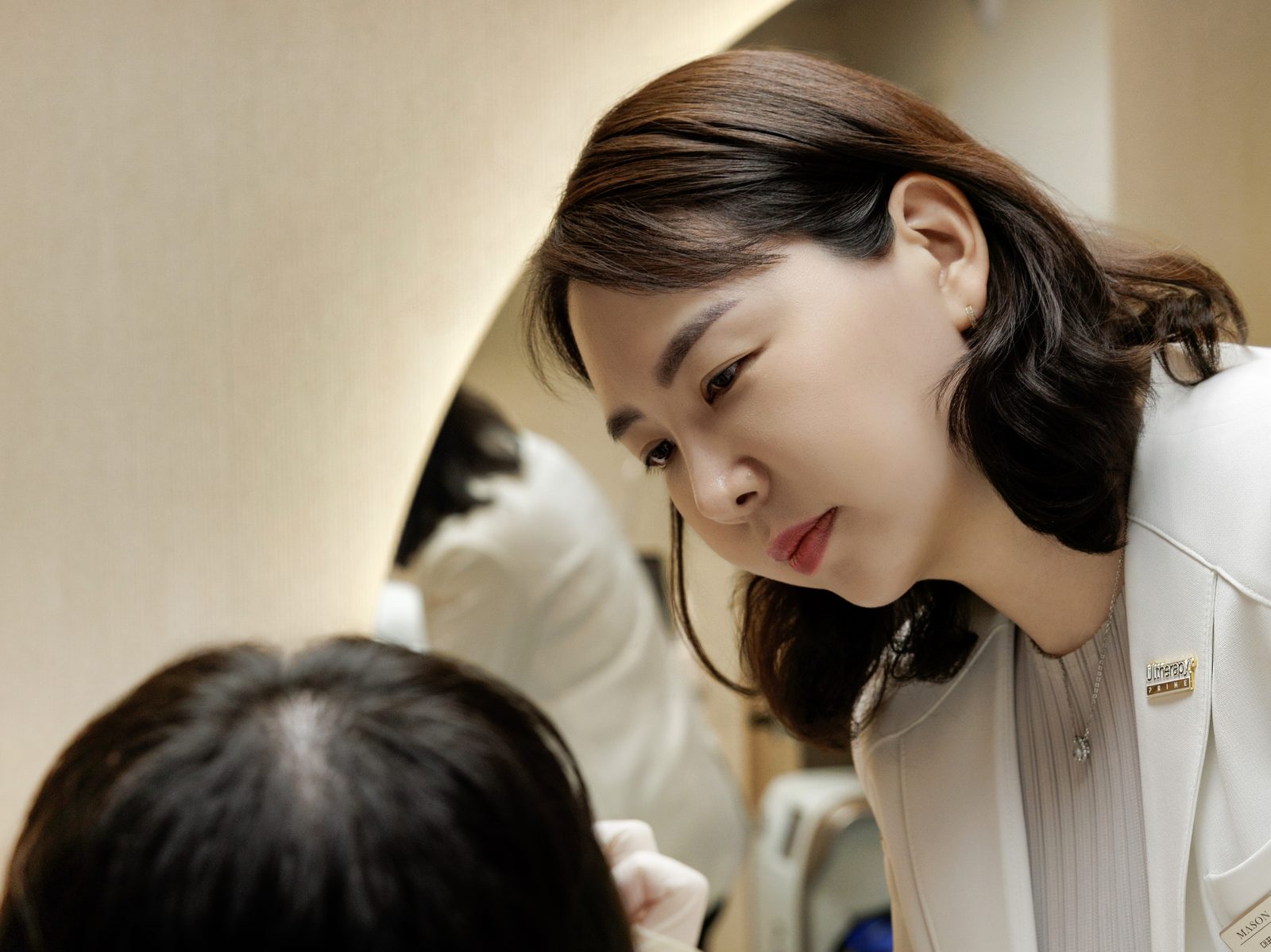
Frequently asked questions
Is the product different from regular jaw Botox?
When will I notice a change?
Can the salivary gland be treated at the same time?
I'm worried my cheeks will look hollow.
Does it hurt?
In closing
If jaw Botox hasn't changed your face, the dose may not be the problem. It may be the muscle. It may be the gland. It may be fat or bone.
Ultrasound ViewTox is a way of separating these causes on a screen before injecting. But it is not the answer to every square-jaw concern. What matters is the diagnosis, more than the name of the product.
At Mason Clinic, we don't see a square jaw as a muscle alone. We check the thickness of the muscle, the position of the glands, the risk of cheek hollowing, and your chewing habits together.
If your result has been different each time, it is worth confirming in a consultation whether your jawline is the muscle type or the gland type.
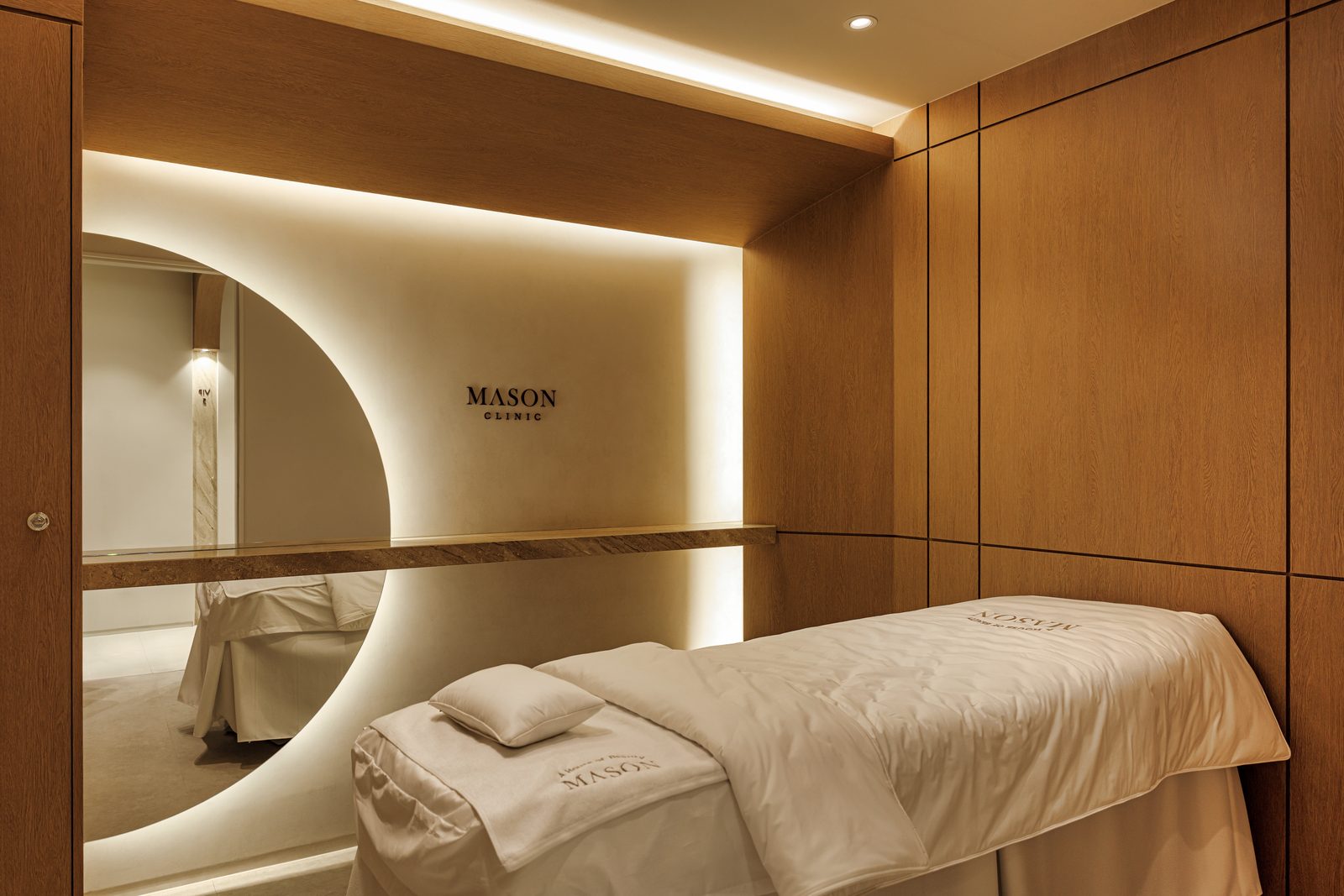
Related information
- Ultrasound ViewTox — A botulinum toxin treatment placed after checking the muscle and glands with ultrasound.
- Hours & directions — Opening hours, location and how to get to Mason Clinic.
Jawline consultation
Start with a one-on-one consultation with the doctor. Mason Clinic is near Exit 7 of Sinnonhyeon Station — 3F MK Building, 39 Seocho-daero 77-gil, Seocho-gu, Seoul.
Mon·Wed·Thu 10:00–20:00 / Fri 10:00–21:00 / Sat 10:00–17:00 / Lunch 13:00–14:00 / Closed Sun·Tue
This column is general medical information provided to aid understanding. It does not guarantee the results of any specific treatment and does not replace a medical consultation. Treatment results and the course of recovery vary from person to person. Please confirm what is appropriate for your own condition through a consultation.
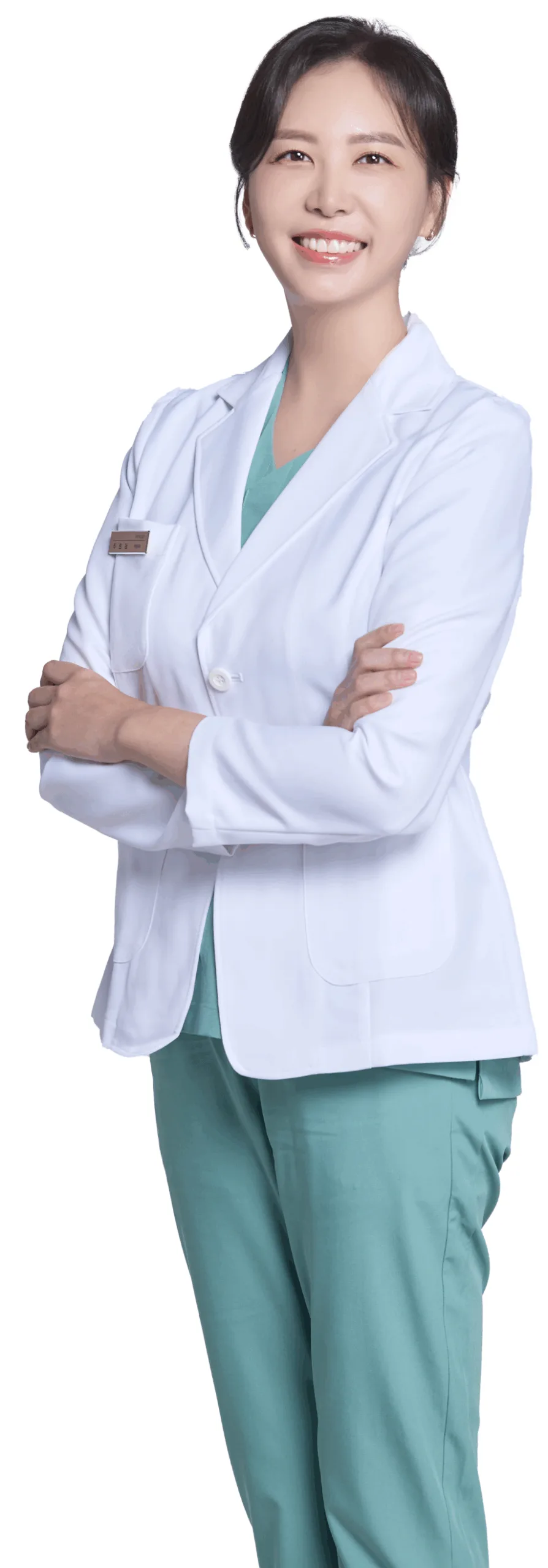
경희대학교 의학전문대학원 졸업(마그나 쿰 라우데 Magna cum laude) · 전) 플러스후의원·기린성형외과·디에이성형외과 원장 · 대한 필러학회/대한미용성형레이저의학회/대한 레이저피부모발학회(KALDAT)/대한 리프팅연구회(KAFC)/대한비만연구의사회/대한비만학회 정회원 · 써마지 User Training Course 인증 expert · 세르프(XERF) 앰버서더
본 페이지의 의학 정보는 메이슨의원 대표원장이 직접 작성·감수했습니다. 시술의 효과는 개인차가 있을 수 있습니다. · 최종 감수일 2026. 10. 1.