Skin Encyclopedia
From skin structure to how treatments work and before and after care, the terms you hear most often in the consultation room, explained in neutral language.
TOTAL 65 / 65
- Acne & PoresAcne여드름
A chronic inflammatory condition arising in the pores and sebaceous glands, appearing in various forms such as comedones, papules and pustules.
- Acne & PoresAcne scar여드름흉터
A depression or raised area that remains because skin tissue did not recover to its original state after inflammation subsided.
- Hair Loss & ScalpAlopecia areata원형탈모
A condition in which hair falls out in round or oval patches with clear borders, known to involve an autoimmune reaction.
- Hair Loss & ScalpAndrogenetic alopecia안드로겐성 탈모
Also called male or female pattern hair loss, the most common type of hair loss, involving genetic predisposition and androgen metabolism.
- InjectablesBotulinum toxin보툴리눔 톡신
A medicine that temporarily reduces the nerve signal to a muscle, easing excessive muscle contraction.
- InjectablesCaHACaHA
An injectable preparation using fine particles of a calcium compound that is also present in bone and teeth.
- Lifting & DevicesCoagulation point응고점
The very small coagulated area created when ultrasound or laser energy gathers heat at a single point within the tissue.
- Skin StructureCollagen콜라겐
The protein fibre that makes up most of the dermis, responsible for the thickness and supporting strength of the skin.
- Lifting & DevicesCollagen remodeling콜라겐 리모델링
Inducing the process in which controlled stimulation of the skin clears out old collagen and new collagen is formed.
- Acne & PoresComedo면포
A state in which the pore opening is blocked and sebum and dead cells have clumped together; the early lesion of acne.
- Lifting & DevicesCooling쿨링
A device or process used in heat-based procedures to lower the skin surface temperature, protecting the epidermis and reducing pain.
- Aging & WrinklesDark circle다크서클
A state in which the area under the eyes looks dark; a representative concern for this area, with more than one cause.
- Skin StructureDermis진피
The thick layer beneath the epidermis, where supporting fibres such as collagen and elastin gather together with blood vessels, nerves, sebaceous glands and hair follicles.
- Before & After CareDowntime다운타임
The recovery period after a procedure during which redness, swelling and marks remain until you return fully to daily life.
- Aging & WrinklesDynamic wrinkle표정주름
A wrinkle that forms when the muscles of expression move, as when smiling or frowning; also called an expression wrinkle.
- Skin StructureElastin엘라스틴
The elastic fibre of the dermis responsible for the property of stretching and returning.
- Skin StructureEpidermis표피
The outermost layer of the skin, acting as a protective shield against external irritants and water loss.
- InjectablesExosome엑소좀
A very small vesicle secreted by cells, known to be involved in signalling between cells.
- Pigmentation & RednessFacial flushing안면홍조
A symptom in which the face suddenly reddens and feels hot; when it recurs, the redness can also linger.
- InjectablesFiller필러
A collective term for preparations injected beneath the skin to fill hollowed areas or refine contour.
- Pigmentation & RednessFreckles주근깨
Small, light brown spots that appear scattered mainly on the face and tend to darken with sun exposure.
- InjectablesHA fillerHA 필러
A filler made from hyaluronic acid, creating volume by making use of its water-holding property.
- Hair Loss & ScalpHair cycle모주기
The cycle in which hair repeats the process of growing, stopping and falling out, divided into the anagen, catagen and telogen phases.
- Lifting & DevicesHigh-Intensity Focused Ultrasound고강도 집속 초음파
An approach that gathers ultrasound energy at a single point inside the skin to create heat, inducing contraction and a regenerative response in the tissue.
- Before & After CareHome care홈케어
The basic care such as cleansing, moisturising and sun protection that you continue at home between procedures.
- Skin StructureHyaluronic acid히알루론산
A moisturising substance naturally present in the skin that can attract water amounting to several hundred times its own weight.
- Pigmentation & RednessHyperpigmentation색소침착
A collective term for a state in which melanin has locally increased so that an area looks darker than its surroundings.
- Before & After CareIndividual variation개인차
The fact that results, recovery speed and duration appear differently from person to person even with the same procedure.
- Acne & PoresInflammatory acne염증성 여드름
Acne that becomes red and swollen or forms pus, including papules, pustules and nodules.
- InjectablesIV therapy수액요법
A method that administers fluids and nutrients intravenously to support the body's condition.
- Acne & PoresKeratin scale각질
The shedding of corneocytes that have reached the end of their life from the skin surface, or the state in which they have accumulated.
- Lifting & DevicesLDMLDM
A care approach that uses micro-vibration at a level of several million cycles per second to deliver mechanical stimulation into the skin.
- Lifting & DevicesLED phototherapyLED 광선요법
Care that applies light of specific wavelengths to the skin for the purpose of helping calm or recovery.
- Pigmentation & RednessLentigo흑자
A brown spot with a relatively clear border; a considerable share of the lesions commonly called sun spots fall into this category.
- Aging & WrinklesMarionette line마리오네트 주름
The line running down from the corner of the mouth towards the chin, named for its resemblance to a puppet's mouth.
- Skin StructureMelanin멜라닌
The pigment that determines skin colour and protects cells from ultraviolet light.
- Pigmentation & RednessMelasma기미
A brown pigmented lesion that appears mainly on the cheeks, forehead and around the upper lip, close to symmetrical on both sides.
- InjectablesMesotherapy메조테라피
A method that injects medication or nutrients into the middle layer of the skin in small amounts across many points.
- Lifting & DevicesMicroneedling마이크로니들
An approach that creates fine channels in the skin with very fine needles to provide stimulation or help ingredients penetrate.
- Lifting & DevicesMonopolar RF모노폴라 고주파
An approach in which radiofrequency from a single electrode flows through the body to a return pad, delivering heat to relatively deep layers.
- Aging & WrinklesNasolabial fold팔자주름
The line running from beside the nose towards the corner of the mouth, known medically as the nasolabial sulcus.
- InjectablesPDRN and PNPDRN·PN
DNA-derived substances extracted and purified from sources such as salmon, dealt with in research related to skin regeneration.
- Aging & WrinklesPhotoaging광노화
Skin ageing caused by accumulated sun exposure, named to distinguish it from natural ageing with the passage of years.
- InjectablesPLLAPLLA
A biodegradable polymer preparation intended to induce a collagen-producing response as it is gradually absorbed.
- Acne & PoresPore모공
The opening of the hair follicle through which sebum emerges, referring to the small visible opening.
- Pigmentation & RednessPost-inflammatory hyperpigmentation염증후 색소침착
A phenomenon in which brown or greyish-brown marks remain where inflammation caused by acne, a wound or a procedure has subsided.
- Lifting & DevicesRadiofrequency고주파
An approach that warms the dermis with the resistive heat generated when a radiofrequency current passes through tissue, inducing a response.
- Before & After CareRetouch리터치
An additional procedure carried out after reviewing the course following the first one, to supplement what is lacking.
- Hair Loss & ScalpScalp botox모근 보톡스
A method that injects toxin into the scalp for the purpose of regulating sebum and sweat production and the state of scalp tension.
- Hair Loss & ScalpSeborrheic dermatitis지루성 두피염
A chronic inflammatory skin condition arising in areas with high sebum production, appearing on the scalp as dandruff and itching.
- Acne & PoresSebum피지
The oily substance produced in the sebaceous glands and released onto the skin surface, which prevents water evaporation and protects the surface.
- Skin StructureSkin barrier피부장벽
A collective term for the defensive function at the skin surface that prevents water from escaping and blocks external irritants and micro-organisms.
- InjectablesSkin booster스킨부스터
A collective term for preparations injected into shallow layers with the aim of improving the skin's own hydration, texture and firmness rather than creating volume.
- InjectablesSkin botox스킨보톡스
A method that injects toxin in small amounts spread widely in shallow layers, with the aim of refining skin texture, pores and sebum condition.
- InjectablesSkin hydration injection물광주사
A common term for a method that injects moisturising ingredients such as hyaluronic acid into shallow layers of the skin across many points to replenish hydration.
- Aging & WrinklesSkin laxity피부처짐
A state in which the supporting strength of the skin and the tissue beneath it has declined so that it sags downwards.
- Skin StructureSMAS layerSMAS층
Short for Superficial Musculo-Aponeurotic System, the fibrous and fascial layer beneath the facial skin that connects to the muscles of expression.
- Aging & WrinklesStatic wrinkle고정주름
A wrinkle that remains even without making an expression; also called a fixed wrinkle.
- Skin StructureStratum corneum각질층
The thin layer at the very outside of the epidermis, which retains moisture and blocks irritation with a structure often compared to bricks and mortar.
- Before & After CareSunscreen자외선차단제
A product applied to protect the skin from ultraviolet light, indicating the degree of protection with SPF and PA.
- Pigmentation & RednessTelangiectasia모세혈관확장증
A state in which fine blood vessels near the skin surface have dilated so that they show through as red lines or a net-like pattern.
- Hair Loss & ScalpTelogen effluvium휴지기 탈모
A phenomenon in which a large amount of hair falls out at once a few months after experiences such as childbirth, surgery, rapid weight loss or major stress.
- Lifting & DevicesThread lifting실 리프팅
A procedure in which threads that are gradually absorbed by the body are placed beneath the skin to support or draw up tissue.
- Before & After CareTopical anesthetic cream국소마취크림
An anaesthetic in cream form applied to the treatment area in advance to help reduce pain.
- Aging & WrinklesVolume loss볼륨 소실
A change in which subcutaneous fat and bone volume decrease with age so that the face looks hollowed.
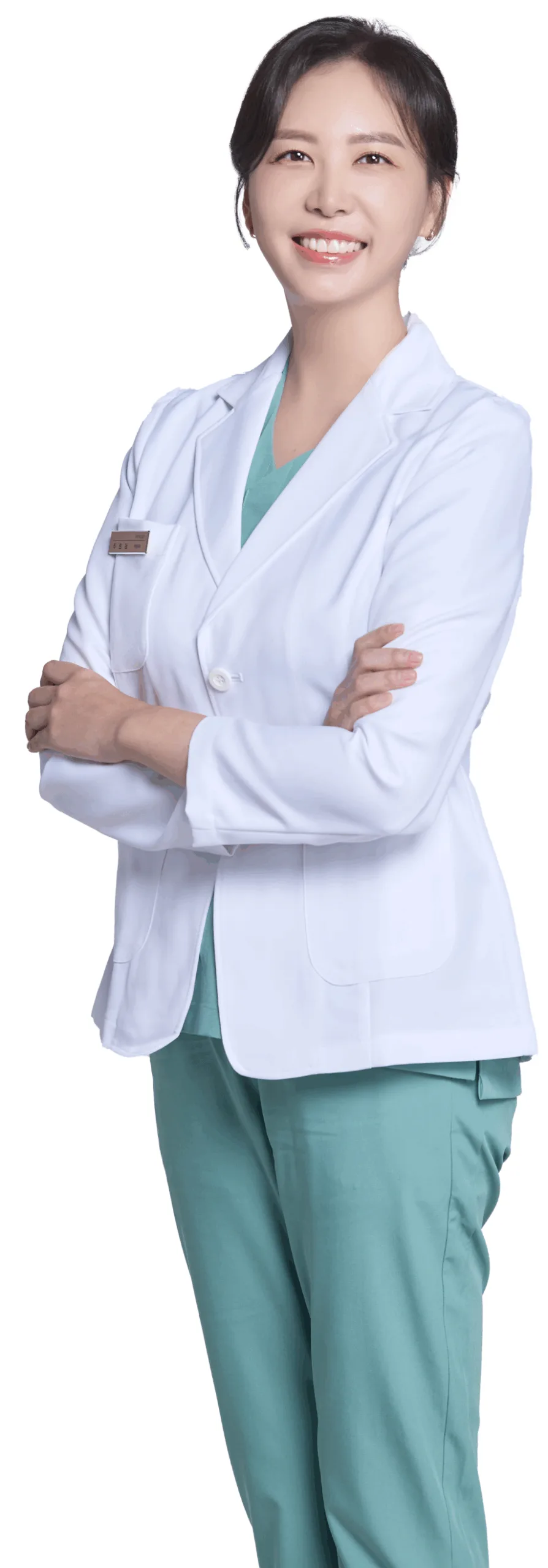
Graduate of Kyung Hee University School of Medicine (Magna cum laude) · Former director of Plus Hu Clinic, Girin Plastic Surgery, and DA Plastic Surgery · Regular member of the Korean Academy of Filler, Korean Academy of Aesthetic Plastic & Laser Medicine, Korean Academy of Laser, Dermatology and Trichology (KALDAT), Korean Lifting Research Society (KAFC), Korean Association of Obesity Research Physicians, and Korean Society for the Study of Obesity · Thermage User Training Course certified expert · XERF Ambassador
The medical information on this page was written and reviewed by the director of Mason Clinic. Treatment results may vary from person to person. · Last reviewed 2026-08-15