A raised scar after a wound has healed: will waiting make it flatten?
Skin Care Guide
If a closed wound has left a firm, raised scar, look beyond its height to changes in size and discomfort. Scars do not all follow the same course or respond to the same products.
A scar may remain thick after the scab has gone and the skin has healed. Some scars fade with time, but a scar that keeps growing or itching does not have to be left unchecked.
Hypertrophic scars and keloids are among the possibilities. Rather than deciding on a label yourself, note the original wound's boundaries and how the area has changed.
Check whether it extends beyond the original wound
A hypertrophic scar generally stays within the original wound's boundaries and may flatten or fade over time. A keloid can grow beyond those boundaries and often does not flatten on its own.
Height, colour or a single photo cannot confirm which type it is. The location, timing, pattern of growth and skin condition all need assessment.
Bring a record of when and how it changed
Note whether it followed surgery, a scrape, a burn, acne or a piercing, and when the skin began to thicken. Mention any similar scars you have had before.
Photos taken at the same distance and in similar light can help explain changes in size. If a scar-like area appears without a remembered injury, have it examined before choosing scar products or a laser treatment.
Use silicone scar products only on fully healed skin
Silicone gels and sheets are used for some raised scars, but they do not remove every scar or guarantee against recurrence. Use them after the wound has completely closed, and do not apply them on your own to an open or oozing area.
Stop and seek advice if the product causes redness, a rash or irritation. Once the skin has healed, protect it with clothing or broad-spectrum sunscreen of SPF 30 or higher. Sun protection is not the same as treatment to flatten a scar.
Avoid forceful rubbing or home removal
Do not scrape away raised skin or pierce it with a needle. Before rubbing it firmly or using a tightly fitted pressure device on your own, ask which care is appropriate for the scar.
Massage and pressure treatment depend on the site, timing and method. After surgery or a procedure, follow the treating clinician's instructions and ask before changing products or care routines.
Seek care for growth, pain or restricted movement
Arrange an assessment if the area keeps spreading, itching or hurting, or if tightness near a joint makes movement difficult. There is no need to wait out a fixed period before asking for help.
Increasing swelling or pain, warmth to the touch or pus needs prompt medical attention. Do not assume these are ordinary scar changes; infection or another problem may need checking.
Choose treatment after the scar has been assessed
Depending on the scar, medical options may include silicone products, injections or laser treatment. The same treatment does not suit everyone; availability and suitability must be confirmed during consultation.
A scar may remain or grow again after treatment, so complete removal cannot be guaranteed. If you have had a keloid, mention it before future surgery, cosmetic procedures or piercings, and discuss appropriate care or further assessment.
Common questions about raised scars
Is every thick scar a keloid?
Will a silicone sheet make the scar disappear?
Should I wait a year before seeking treatment?
Look at the pattern of change, not only the height
Bring details of the injury and its timing, changes in size, itching or pain, and any products you use. Raised skin alone is not a reason to rush into self-treatment.
Mason Clinic aims for care guided by your skin's needs, in the amount it needs. Have scar-like changes assessed and discuss suitable care and any further medical assessment that may be needed.
Not every raised scar flattens by itself. Watch its boundaries and symptoms, and use scar products only after the skin has fully healed.
Related information
- A Small Wound Has Formed a Scab. Can I Pick It Off?
- Red or Brown Marks After Acne: Are They Always Scars?
- Hours & directions — Opening hours, location and how to get to Mason Clinic.
Discuss scar-like changes in your skin
Start with a one-on-one consultation with the doctor. Mason Clinic is near Exit 7 of Sinnonhyeon Station — 3F MK Building, 39 Seocho-daero 77-gil, Seocho-gu, Seoul.
Mon·Wed·Thu 10:00–20:00 / Fri 10:00–21:00 / Sat 10:00–17:00 / Lunch 13:00–14:00 / Closed Sun·Tue
This column is general medical information provided to aid understanding. It does not guarantee the results of any specific treatment and does not replace a medical consultation. Treatment results and the course of recovery vary from person to person. Please confirm what is appropriate for your own condition through a consultation.
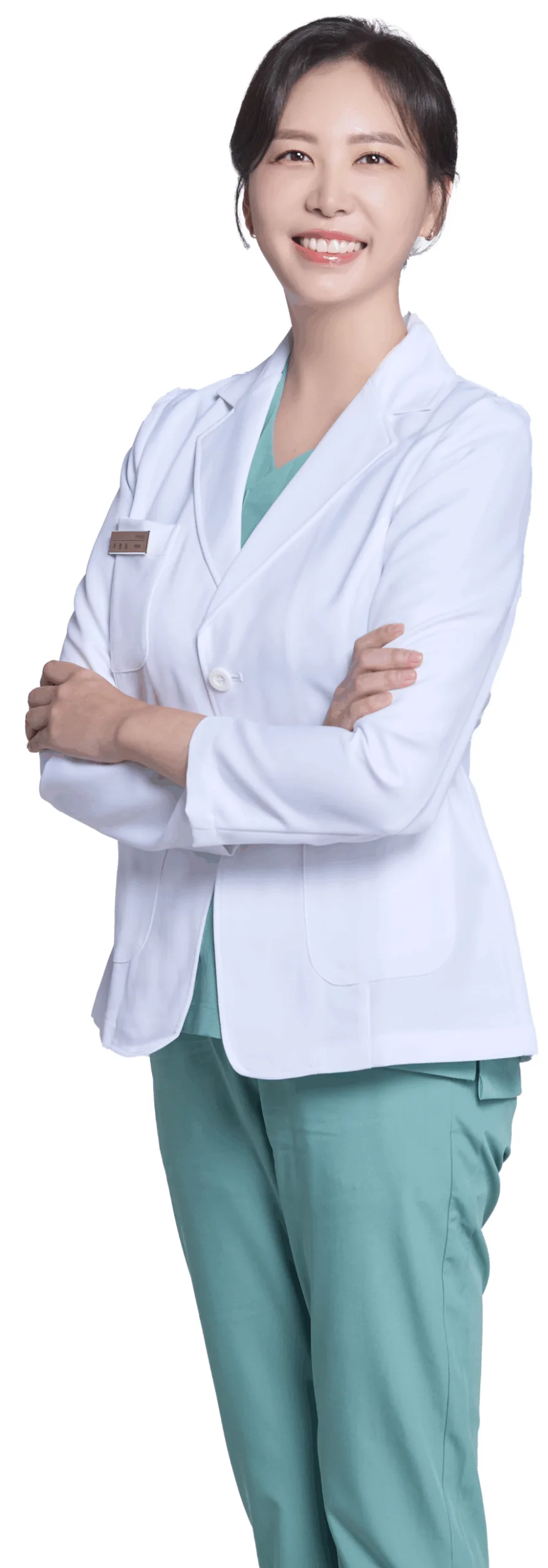
경희대학교 의학전문대학원 졸업(마그나 쿰 라우데 Magna cum laude) · 전) 플러스후의원·기린성형외과·디에이성형외과 원장 · 대한 필러학회/대한미용성형레이저의학회/대한 레이저피부모발학회(KALDAT)/대한 리프팅연구회(KAFC)/대한비만연구의사회/대한비만학회 정회원 · 써마지 User Training Course 인증 expert · 세르프(XERF) 앰버서더
본 페이지의 의학 정보는 메이슨의원 대표원장이 직접 작성·감수했습니다. 시술의 효과는 개인차가 있을 수 있습니다. · 최종 감수일 2026. 11. 25.