Three reasons pores look enlarged
Acne & Pores
Pores are not doors that open and close. Once the reasons they look wider are separated out, the direction of care changes too.
A pore is not a hole but the entrance to a passage
A pore is the opening of the hair follicle through which sebum leaves the skin. Structurally it has no mechanism to open and close, so the expression closing pores is not accurate. The goal of care is closer to making them less conspicuous than to removing them.
Three main reasons they look wider
First, the amount of sebum. When sebum production is high the passage is constantly filled, so the opening looks larger. Hormones, genetics, season and stress all influence how much is produced.
Second, dead skin cells. When keratin builds up thickly at the pore opening, the opening looks wider, and when it clumps with sebum it becomes a comedone. If this state repeats, the opening gradually stays stretched.
Third, support. As collagen and elastin in the dermis decrease with age, the force that held the area around the pore weakens. In this case the characteristic appearance is not round but a teardrop shape drawn downwards.
Which is closest to my pores
- If they are concentrated around the forehead and nose and come with shine, sebum and keratin usually account for the larger share.
- If they look lengthened vertically on the cheeks and stand out more when standing than lying down, loss of elasticity may be involved.
- If they remain where acne once was, scarring may be mixed in. In that case pore care alone brings limited change.
What you can and cannot do at home
Cleansing, keratin care and sebum control can be continued to some degree at home. However, cleansing aggressively or exfoliating often in the belief that being cleaner will improve things can weaken the skin barrier, making the skin more sensitive to irritation and increasing sebum production.
By contrast, pores that have stretched because dermal support has declined are hard to reverse with surface care alone. In that case an approach that also considers the condition of the skin itself is needed.
Aligning expectations together
Pores are not something that can be made to disappear completely. Whichever method is chosen, the extent and speed of change vary from person to person. Checking what the cause is and setting a realistic goal before starting tends to lead to greater satisfaction in the end.
This column is general medical information provided to aid understanding. It does not guarantee the results of any specific treatment and does not replace a medical consultation. Treatment results and the course of recovery vary from person to person. Please confirm what is appropriate for your own condition through a consultation.
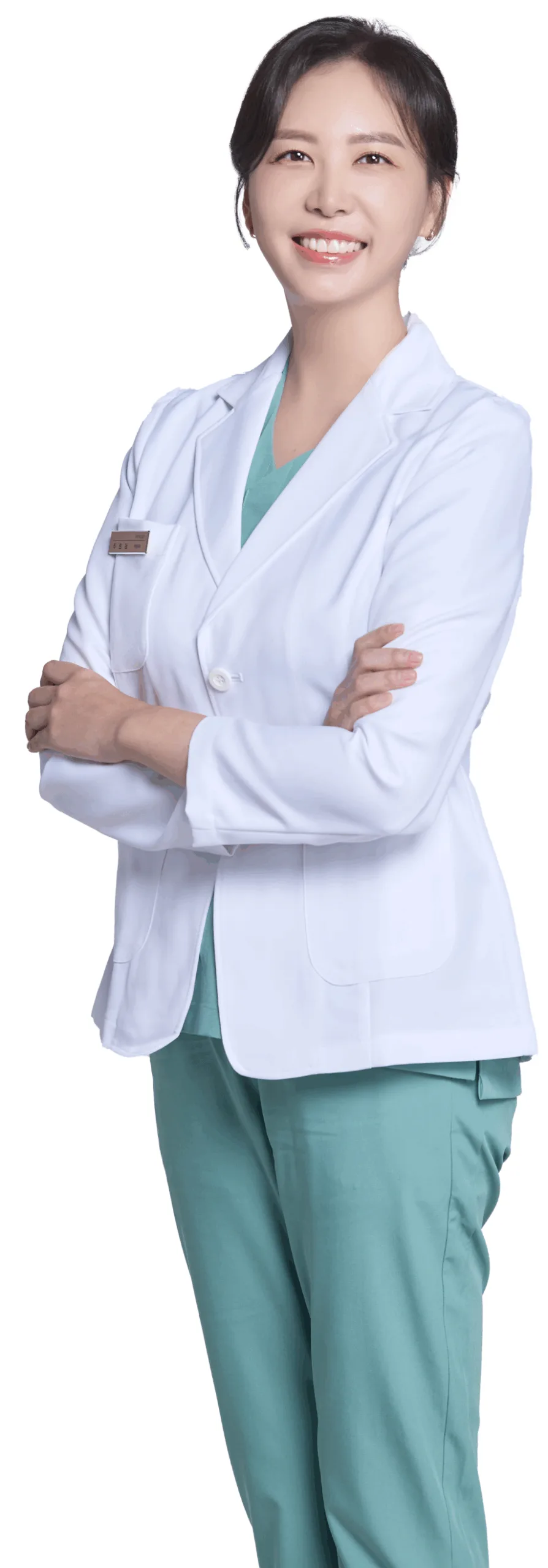
Graduate of Kyung Hee University School of Medicine (Magna cum laude) · Former director of Plus Hu Clinic, Girin Plastic Surgery, and DA Plastic Surgery · Regular member of the Korean Academy of Filler, Korean Academy of Aesthetic Plastic & Laser Medicine, Korean Academy of Laser, Dermatology and Trichology (KALDAT), Korean Lifting Research Society (KAFC), Korean Association of Obesity Research Physicians, and Korean Society for the Study of Obesity · Thermage User Training Course certified expert · XERF Ambassador
The medical information on this page was written and reviewed by the director of Mason Clinic. Treatment results may vary from person to person. · Last reviewed 2026-08-15